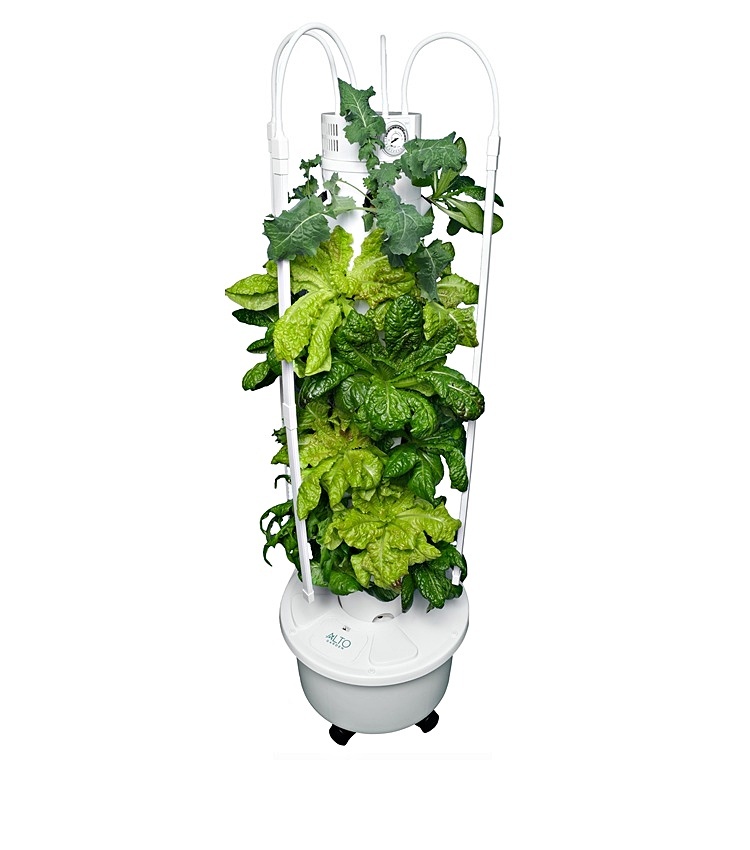
In densely populated cities, the dream of a flourishing vertical garden can seem out of reach. Traditional soil beds demand significant square footage—an impossible luxury for many apartment dwellers. Enter hydroponic towers, an innovative solution that maximizes yields in minimal space. By stacking plants vertically and using a closed-loop nutrient system, hydroponic towers empower urban gardeners to cultivate fresh produce year-round. This article delves into the mechanics, advantages, and best practices of hydroponic tower gardening, helping you transform any balcony, patio, or indoor nook into a verdant oasis.
Understanding Hydroponic Towers
Hydroponic towers represent the next frontier in sustainable agriculture. Unlike conventional planters, these systems suspend plant roots in a nutrient-rich water flow, eliminating the need for soil. Here’s how they work:
Key Components
- Tower Structure: Typically cylindrical or modular panels, designed to support dozens of net pots.
- Reservoir: Holds the nutrient solution, often equipped with a pump to circulate water upward.
- Pump and Timer: Automated nutrient delivery at regular intervals, ensuring consistent hydration and feeding.
- Net Pots and Media: Small baskets that cradle seedlings in inert media (e.g., rockwool or clay pebbles).
- Delivery System: Channels or drip lines that distribute the nutrient mix over each tier.

How They Work
Water enriched with essential minerals is pumped from the reservoir to the top of the tower. Gravity then pulls the solution downward, bathing each plant’s roots before returning to the reservoir. This cyclical process recycles up to 95% of water compared to soil gardening, while delivering oxygen and nutrients more directly to plants’ root zones.
Benefits of Vertical Garden Systems
Hydroponic towers present compelling advantages for both novice and experienced growers.
Space Efficiency
- High Yield per Square Foot: By stacking tiers, a single hydroponic tower can yield as much produce as a 20–30 ft² garden bed.
- Compact Footprint: Ideal for balconies, small patios, or even kitchen corners.
Resource Conservation
- Water Savings: Closed-loop systems reduce water use by up to 95%, as water is continually recycled rather than lost to soil absorption and evaporation.
- No Soil Required: Eliminates pests, weeds, and mess associated with traditional gardens, making indoor cultivation cleaner and more manageable.
Accelerated Growth
Plants grown in hydroponic towers often mature three times faster than their soil-grown counterparts. Precise control over nutrient concentration and oxygenation promotes vigorous root development and rapid vegetative growth.
Designing Your Hydroponic Tower Garden
A successful hydroponic tower garden begins with thoughtful planning.
Selecting the Right Location
- Sunlight: Position your tower where it receives at least six hours of direct sunlight daily, or supplement with LED grow lights for fully indoor setups.
- Ventilation: Good air circulation reduces humidity buildup and prevents fungal issues.
Choosing Plants
Not all species thrive equally in vertical hydroponics. Optimal candidates include:
- Leafy greens (lettuce, spinach, kale)
- Herbs (basil, parsley, mint)
- Compact fruiting plants (strawberries, cherry tomatoes, peppers)
Ensure plant heights and root volumes are compatible with your tower’s dimensions.
Maintenance and Troubleshooting
Routine care ensures maximum productivity and plant health.
Monitoring Nutrient Levels
- ph: Keep between 5.5 and 6.5 for most vegetables.
- Electrical Conductivity (EC): Aim for 1.2–2.0 mS/cm, adjusting nutrient concentration according to plant stage.

Preventing Common Issues
- Algae Growth: Seal the reservoir and exposed tubing to block light.
- Clogged Pumps: Clean filters monthly and check for debris.
- Root Rot: Maintain proper oxygenation; avoid continuously flooded roots.
Conclusion
By integrating the principles of a vertical garden with the efficiency of hydroponic towers, urban gardeners can achieve unprecedented yields in limited spaces. Whether you’re cultivating crisp lettuces, aromatic herbs, or sweet strawberries, the Hydroponic Tower Garden model transforms any compact area into a productive farm. Elevate your home-grown harvests, conserve precious resources, and embrace sustainable living—your journey to a greener tomorrow starts today with ALTO Garden.