
Allied health specialists usually have demanding patient schedules together with time-consuming administrative chores following each visit. Long days spent updating progress reports, monitoring results, and updating client files sap important energy from hands-on clinical work.
Streamlined documentation techniques would help contemporary practice management to relieve daily charting strain. Introducing an AI medical notes generator helps physical therapists, occupational therapists, and clinical specialists automate record-keeping. This helps doctors keep good report accuracy and recover several hours each week.
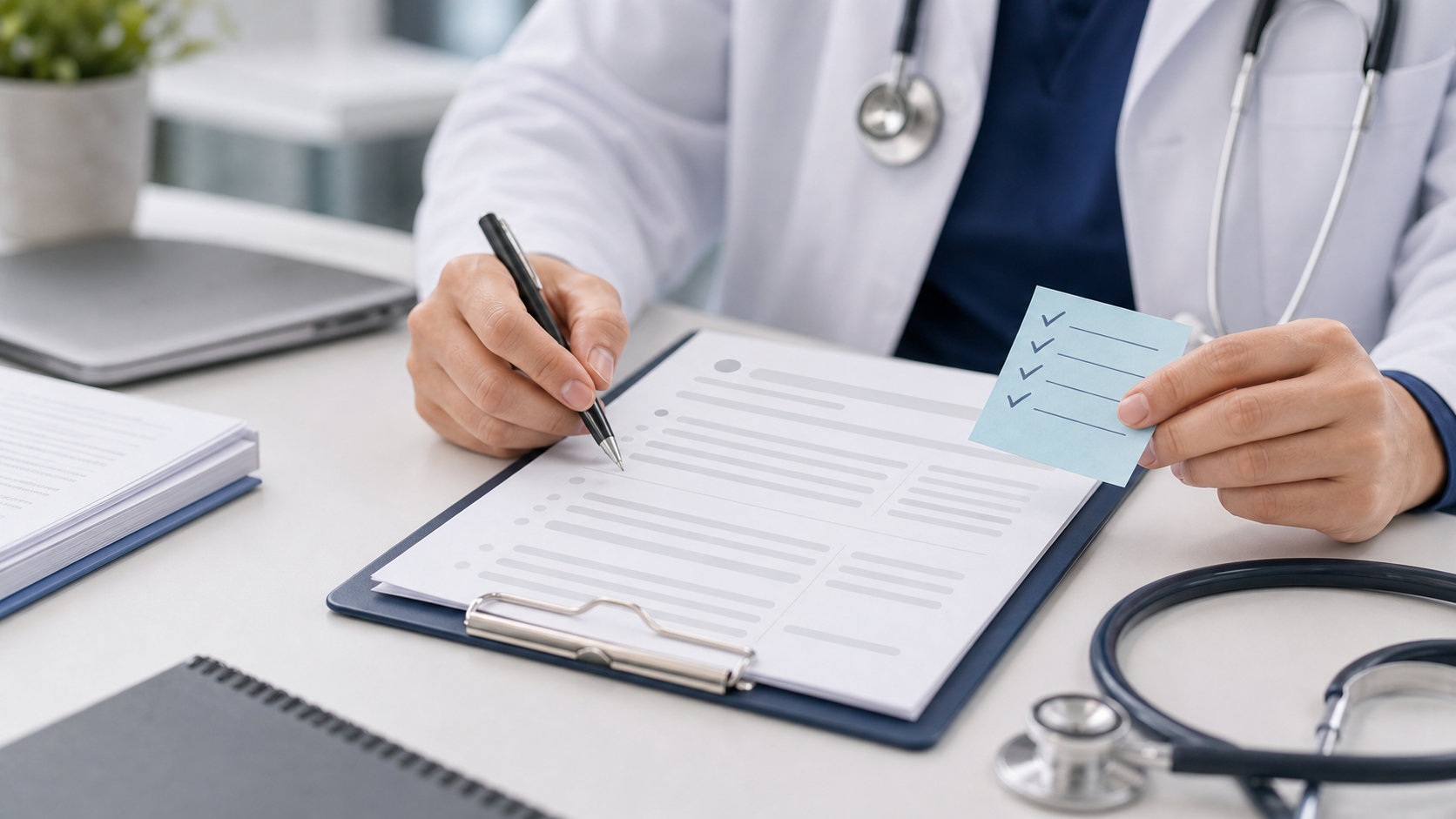
Using an artificial intelligence medical scribe to solve paperwork exhaustion
Many healthcare disciplines outside of main care medicine are affected by documentation weariness. Every client contact is routinely documented in great detail by speech therapists, mental health specialists, and nurse practitioners. Implementing an artificial intelligence medical transcriber helps to simplify everyday charting tasks and allows several teams to concentrate entirely on providing excellent care.
Practitioners experience burnout, more stress, and lower work satisfaction when administrative chores accumulate. Manual data entry following closing hours causes unwelcome changes in updating treatment plans. Automating these mundane chores guarantees that client development monitoring is thorough, consistent, and quick throughout all treatment sessions.
Modern Solutions Provided Through Ambient Listening Systems
Ambient listening systems automatically record patient interactions, therefore turning spoken dialogue into organized records. Smart systems immediately flag important status updates and functional objectives by processing complicated clinical conversations. This technique directly transforms spoken observations into progress notes without the need for human typing during sessions.
Clinicians keep constant eye contact and create more trusting relationships with patients throughout appointments. Summary notes appear right away following sessions, keeping clinical information precisely. Automated transcription precisely catches complex diagnostic language, exercise data, and treatment timelines free of human mistakes.
Eliminating screen interruptions during appointments helps therapists create a welcoming and dynamic clinical environment. Standardized note formats help to keep progress reports organized, readable, and simple to review for working healthcare teams.
Customizing Documentation Automation in Different Fields
Various allied health fields need different note formats, measurements, and diagnostic reporting standards. While physical therapists monitor joint ranges and functional goals, mental health professionals greatly depend on thorough narrative summaries. Flexible templates provided by adaptable scribe platforms fit the unique needs of a given clinic exactly.
Physical therapists easily follow range-of-motion readings and physical activity progression. Clearly, mental health professionals record client mood, behavioral remarks, and narrative treatment responses. Daily functional objectives, adaptive tool use, and house care plans are quickly noted by occupational therapists.
Customized clinical note production guarantees compliance across professional healthcare standards and avoids formatting mistakes. Intelligent software templates change readily and produce professional reports fit for particular clinical needs.
Improving Clinical Quality Through Ambient Automation
Including clever software into daily paperwork procedures improves general record quality and lowers administrative expenses. Automated systems arrange unedited patient interactions into conventional SOAP notes, care plans, and discharge summaries. This guarantees that every clinical record stays accurate, complete, and audit-ready.
Late-night dictation or hurried handwritten notes are no longer necessary for practitioners. Always accurate documentation shields facilities from regulatory problems, simplifies claim payout procedures, and helps to maintain patient care. High-quality records help every team member to be informed of client development.
Simplifying Interdisciplinary Team Communication
In multidisciplinary clinics, allied health staff members and attending doctors must communicate effectively. Postponed paperwork impedes group decision-making and delays changes in treatment plans. Fast, automatic note delivery helps all caregivers to be in line with client goals and recovery deadlines.
Progress reports that update right away help co-treating clinicians to easily access real-time clinical data. Transparency helps to maximize overall rehabilitation results, avoid duplicate evaluations, and enable better care coordination. Digital note synchronization helps to maintain seamless operation of care networks across departments.
Ensuring Patient Confidentiality in Automated Processes
Adopting modern digital healthcare solutions still gives first priority to sensitive client information protection. Strict access restrictions, safe cloud infrastructure, and enterprise-grade encryption help top documentation systems to protect records. Complete observance of worldwide privacy standards ensures constant protection of clinical data.
Knowing that client information would be kept safe against unauthorized access, ambient listening platforms may be used with assurance by practitioners. Integrated compliance systems guarantee safe handling, storage, and transfer of secret medical information. Safe data management helps providers, customers, and healthcare managers to build trust.
Promoting Sustainable Practice Expansion
Good workflow automation solutions help one manage an increasing caseload without an increasing administrative load. Fewer physical charting responsibilities let medical experts see more patients while still meeting high standards of care. Greater operational efficiency fuels ongoing clinic development without forcing doctors to burn themselves out professionally.
Administrative burnout prevention helps healthcare organizations to increase staff retention, job satisfaction, and clinical performance. Less time spent on administrative paperwork translates into a better work-life balance for healthcare professionals. Investing in effective documentation systems helps healthcare teams to create a positive, successful workplace.
Finally
Heavy documentation loads faced by allied health experts compromise daily clinical effectiveness and personal well-being. Using current computerized note generation tools helps to simplify administrative tasks, improve report correctness, and safeguard patient privacy. Simple charting methods help professionals to devote more time to providing great care and less to manual data input.
