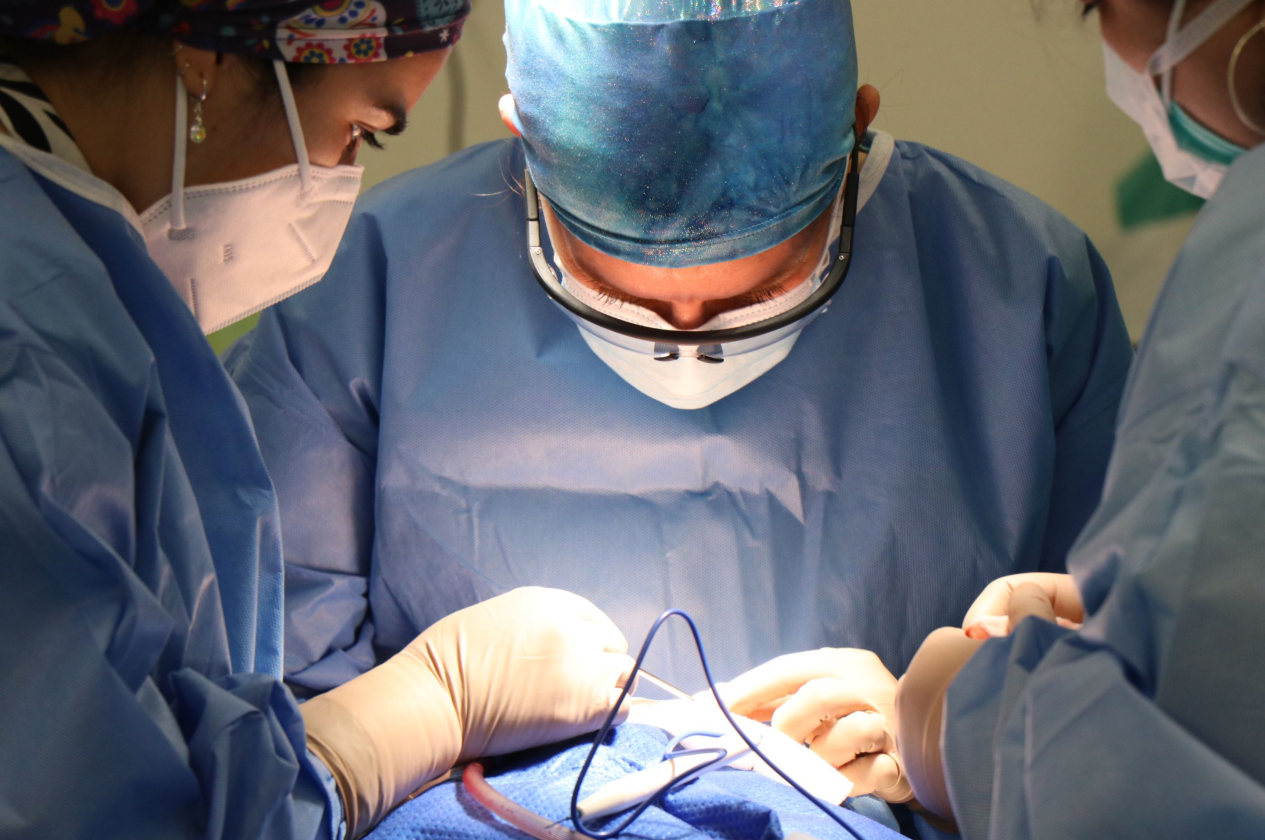
Healthcare in the U.S. can feel like a complicated puzzle—especially when it comes to understanding how much you’ll pay for outpatient surgery. In recent years, more and more procedures have moved from traditional hospital settings to outpatient centers, thanks to advances in technology and healthcare models. But with this shift comes one pressing question for patients: How much is this going to cost me?
In this guide, we’ll break down outpatient surgery costs, explore what factors influence these charges, and explain what Medicare covers. Whether you’re preparing for a minor procedure or just want to be financially informed, this article offers everything you need to know in simple, easy-to-understand language. And if you’re visiting a hospital outpatient department soon, this guide is especially for you.
What is Outpatient Surgery?
Outpatient surgery, also known as ambulatory surgery, is a procedure that does not require an overnight hospital stay. These surgeries are typically done in hospitals, standalone surgical centers, or even clinics. Patients usually arrive on the same day as the procedure and return home once it’s done and they’re cleared by the doctor.
Common outpatient procedures include:
- Cataract surgery
- Colonoscopies
- Knee arthroscopy
- Hernia repair
- Tonsillectomy
Thanks to modern surgical techniques and better anesthesia, many surgeries that once required long hospital stays can now be done safely in just a few hours.
What Influences the Cost of Outpatient Surgery?
There isn’t a one-size-fits-all answer to how much outpatient surgery costs. Several factors affect the final bill:
1. Type of Procedure
Some surgeries are simple and quick, while others are complex and require more time, tools, and expertise. For instance, a colonoscopy may cost far less than shoulder arthroscopy.
2. Location
Prices vary dramatically depending on where the surgery takes place. Hospitals often charge more than independent surgical centers. For example, a procedure costing $3,000 at a hospital might only cost $1,500 at a standalone center.
3. Geographic Region
Outpatient surgery costs can differ by state or even city. Healthcare services in urban areas often come with a higher price tag compared to rural locations.
4. Insurance Coverage
Your out-of-pocket expenses depend largely on your insurance plan. Some insurance providers cover the full cost, while others may require copayments or deductibles.
What Does Medicare Cover?
If you’re a Medicare beneficiary, you might wonder how much of the cost you’ll be responsible for. Medicare Part B generally covers outpatient procedures, but not without conditions. You’ll typically pay:
- 20% of the Medicare-approved amount for the doctor’s services
- A copayment for the facility service
- The Part B deductible (if not already met)
For detailed info, check out this mid-content resource on How Much Does Medicare Pay for Outpatient Surgery to better understand your potential costs.

How Can You Save on Outpatient Surgery?
To avoid surprise medical bills, consider these tips:
- Compare Facilities: Call different hospitals and surgery centers to ask about costs. Use online tools to compare local prices.
- Request an Estimate: Ask your provider for a cost breakdown before the procedure.
- Review Your Insurance: Understand your policy’s deductibles, co-pays, and coverage limits.
- Explore Payment Plans: Many facilities offer flexible payment options or discounts for upfront payments.
The Future of Outpatient Surgery
The trend toward outpatient procedures is expected to grow. Experts predict that by 2030, over 60% of all surgeries in the U.S. will be done in outpatient settings. With healthcare costs on the rise, this model offers a more cost-effective and patient-friendly approach—shorter recovery times, less risk of hospital-acquired infections, and lower bills.
Final Thoughts
Understanding outpatient surgery costs may feel overwhelming, but it’s more manageable when you break it down. From knowing what influences prices to learning how Medicare helps, being informed can save you money and stress.